Ivory-billed Woodpecker (Plate 66) (1829)
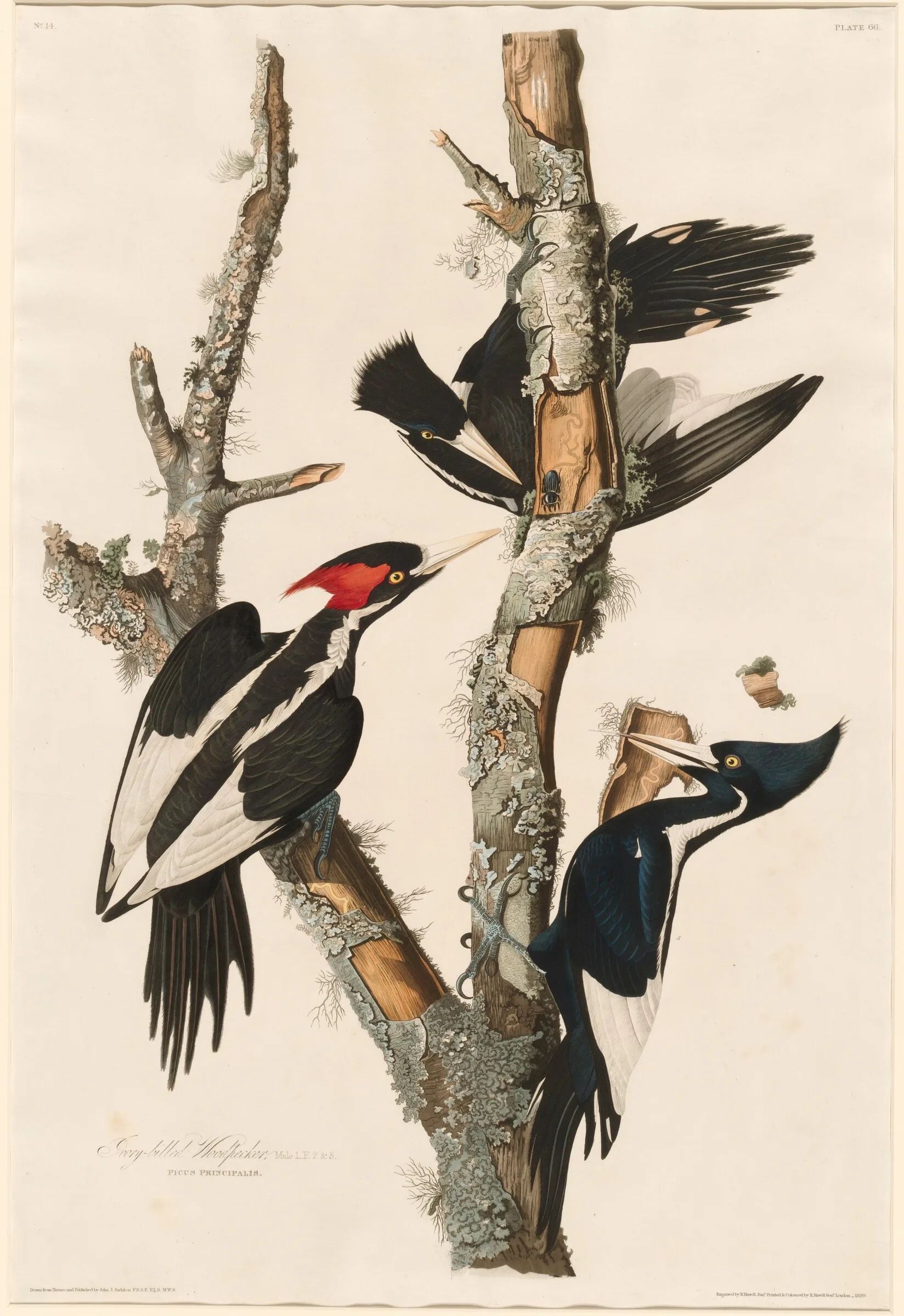
Plate 66 shows Ivory-billed Woodpeckers working over a dead tree, the male with a scarlet crest and the female with a black one. Audubon compared the bird's colors to the paintings of Van Dyck, and the species has not been reliably seen since the 1940s.
- Plate
- 66 (LXVI)
- Audubon's name
- Ivory-billed Woodpecker
- Modern name
- Ivory-billed Woodpecker (Campephilus principalis)
- Engraved by
- Robert Havell Jr., London
- Published
- 1829, Number 14, Volume I
- Watercolor
- New-York Historical Society
- Also known as
- Audubon ivory-billed woodpecker print; Lord God bird
What the plate shows
Male and female Ivory-billed Woodpeckers climb and pry at a dead trunk. Both have pale ivory bills, broad white wing patches and yellow eyes. The male's crest is scarlet and the female's is black. The birds are drawn at life size on a tall sheet, the large plate of Number 14, and the vertical trunk lets the composition use the full height of the paper.
How Audubon made it
Audubon knew the bird from the bottomland forests of the South, along the lower Mississippi and its tributaries. His chapter opens with an artist's reaction rather than a field note. He wrote that the plumage reminded him of the boldest work of Van Dyck, and that when he saw one fly between trees he would exclaim, "There goes a Vandyke!"
He also recorded how the bird was used. It was shot for its beauty more than as a pest. Native Americans used the scalp and bill to decorate dress, hunters fixed them to shot pouches, and steamboat travellers bought heads as souvenirs. Those details have made the chapter a standard source for the species' early decline.
The bird today
The Ivory-billed Woodpecker was the largest woodpecker north of Mexico. It needed large tracts of old swamp forest with many dying trees, where it stripped bark for beetle larvae. Logging after the Civil War removed most of that forest. The last widely accepted sightings were in the Singer Tract in Louisiana in the 1940s. Reports from Arkansas in 2004 and later from Louisiana and Florida remain disputed, so the bird is usually described as possibly extinct.
Audubon placed the bird from the mouth of the Ohio down the Mississippi and west along its tributaries, and along the coast from North Carolina to the Gulf. Those ranges, recorded before most of the old forest was cut, have been used by later searchers to decide where to look for surviving birds. Few plates in the work have been studied so closely by ornithologists as well as print collectors.
Prints and value
Interest in the bird's possible survival keeps demand for this plate high, and Havell impressions are priced among the stronger large plates. The black plumage shows wear and retouching clearly, so look closely at those areas and at the red crest. Confirm the Whatman watermark and the full engraved lettering.
The octavo edition of 1840 to 1844 includes the species as a small lithograph. Modern reproductions vary widely in color accuracy. See Havell, octavo and Bien editions and how to tell an original Audubon print.
More famous plates
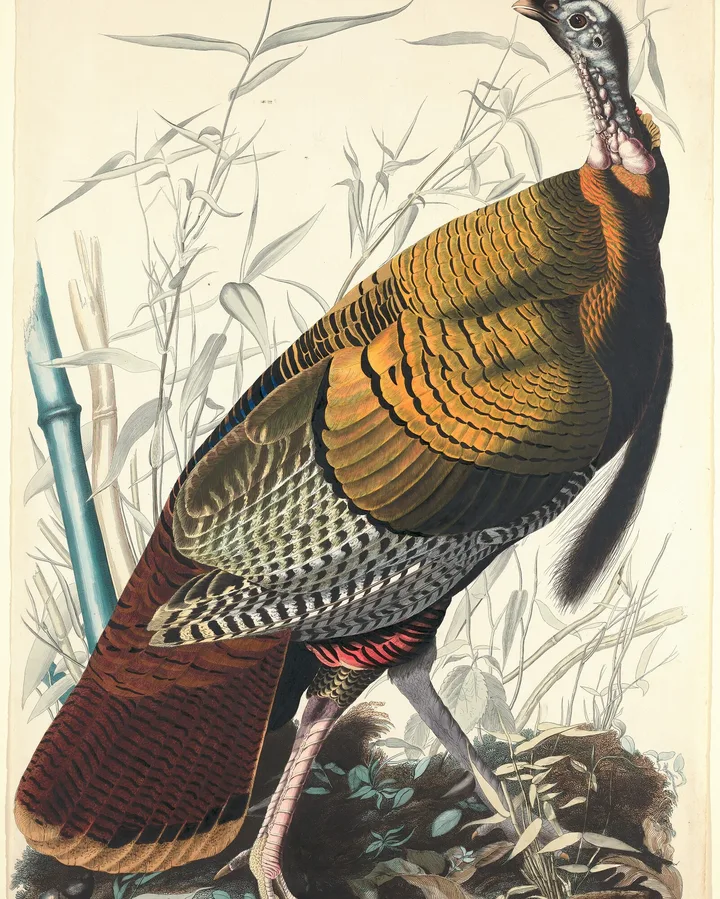
Wild Turkey (Plate 1)
1827
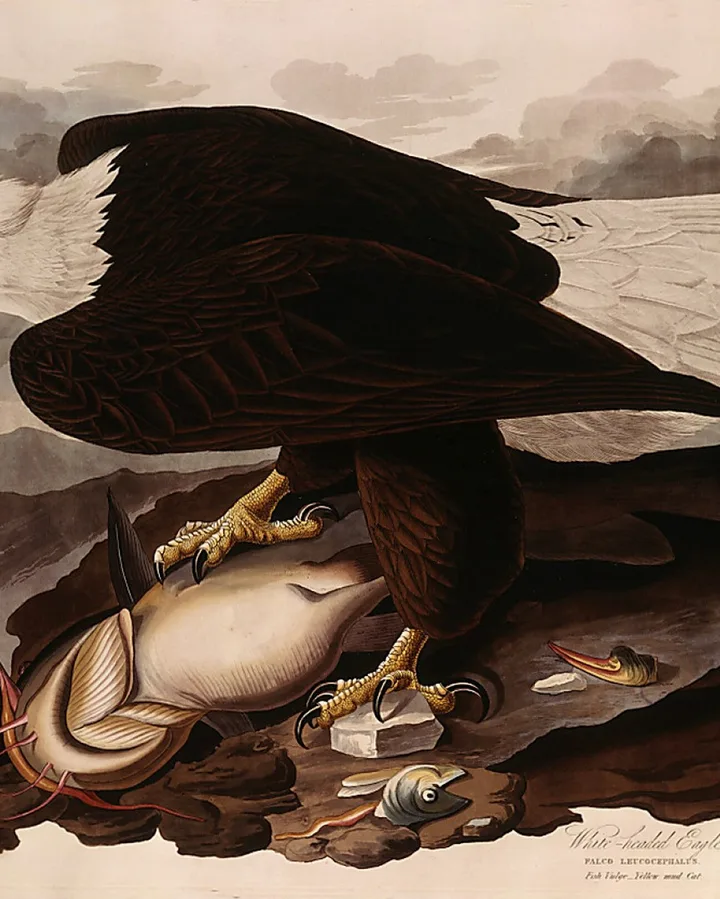
Bald Eagle (Plate 31)
1828
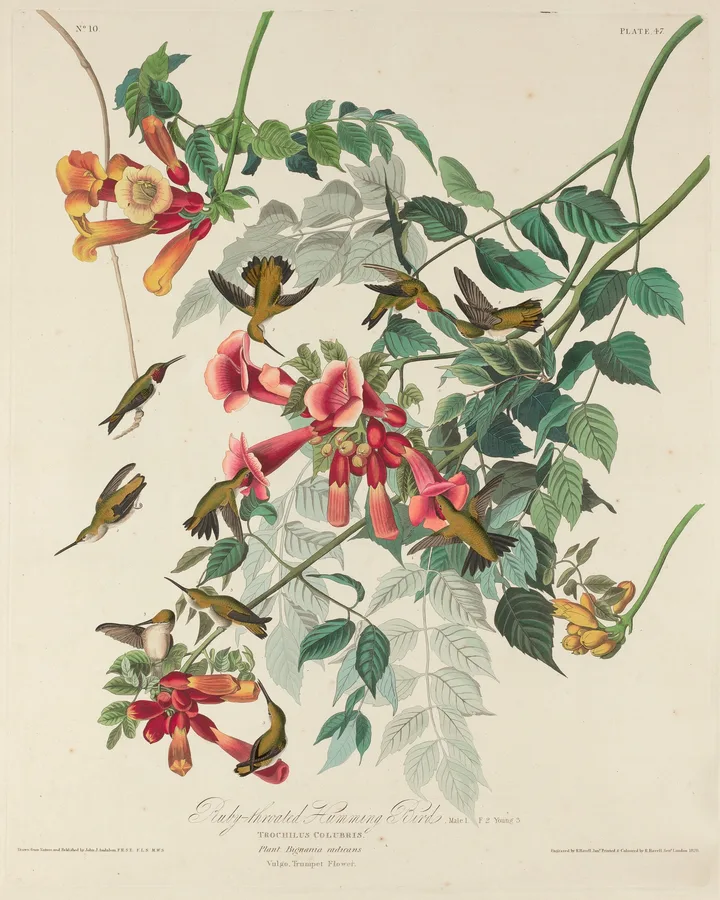
Ruby-throated Hummingbird (Plate 47)
1828
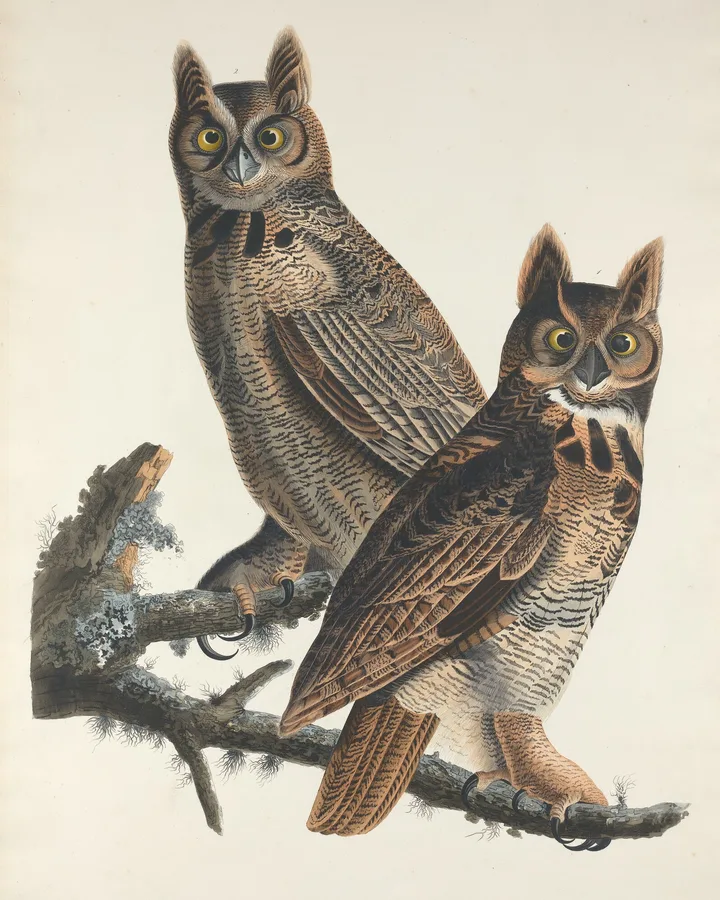
Great Horned Owl (Plate 61)
1829
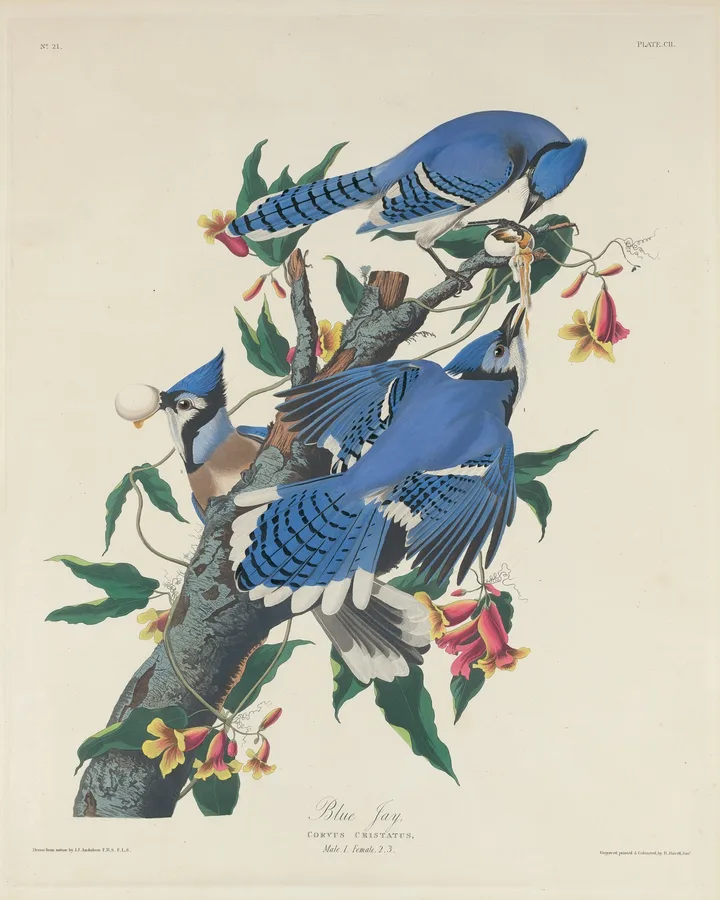
Blue Jay (Plate 102)
1831
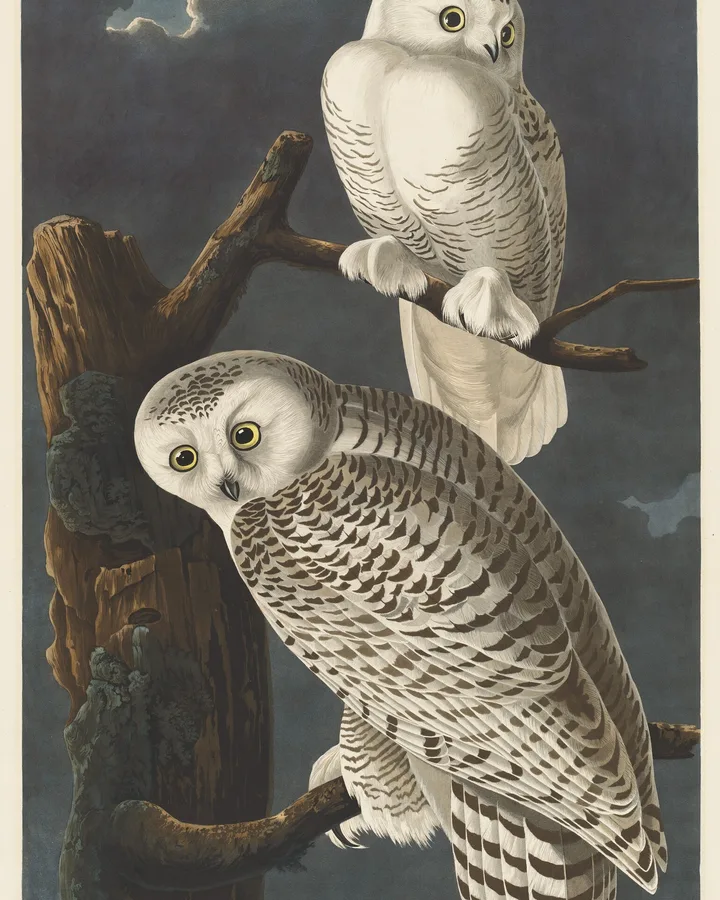
Snowy Owl (Plate 121)
1831
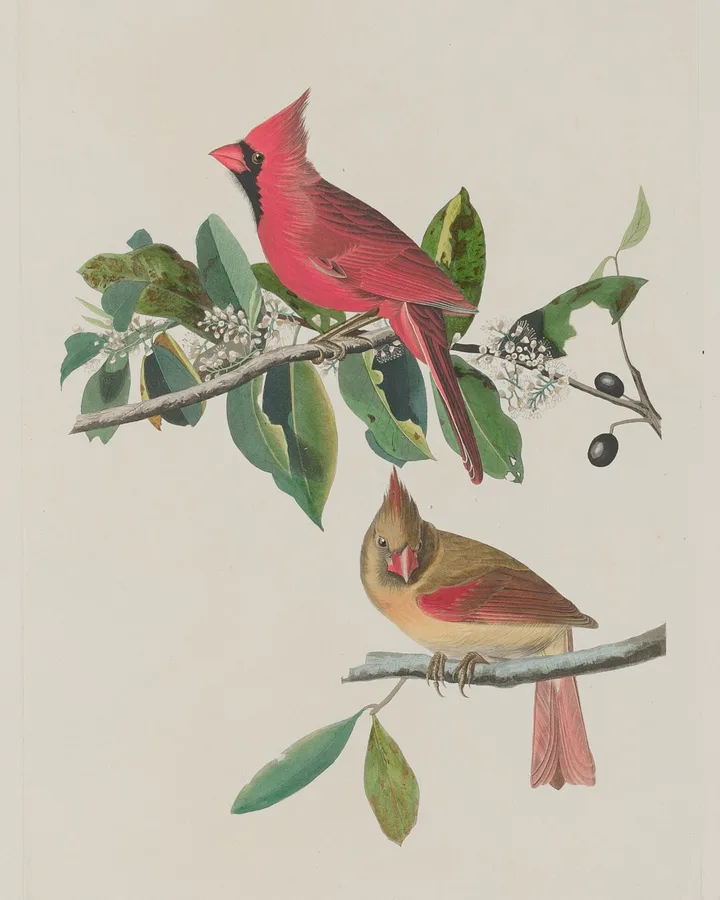
Northern Cardinal (Plate 159)
1833
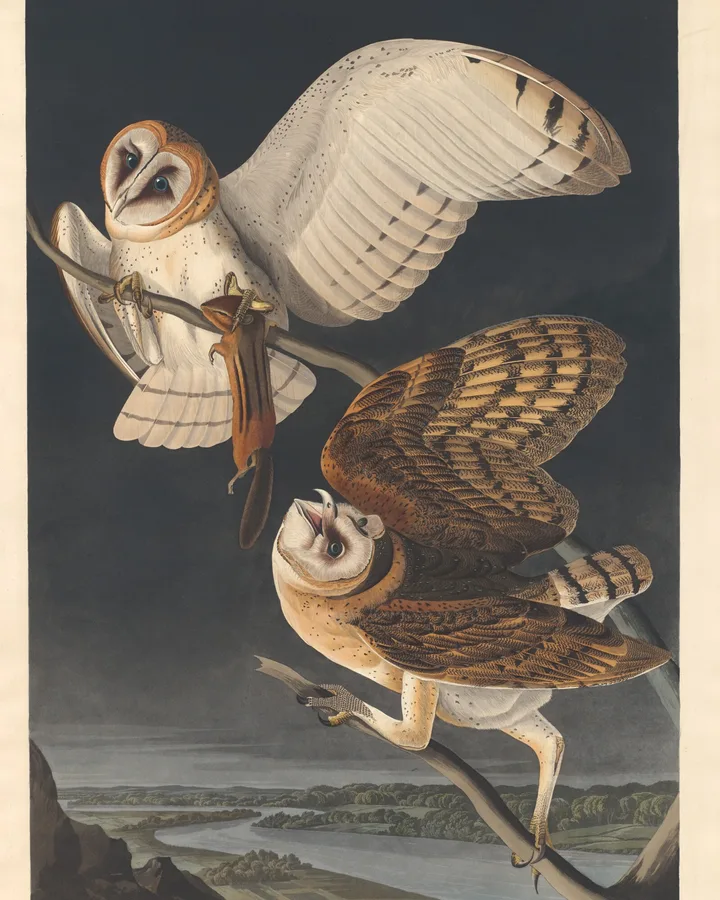
Barn Owl (Plate 171)
1833
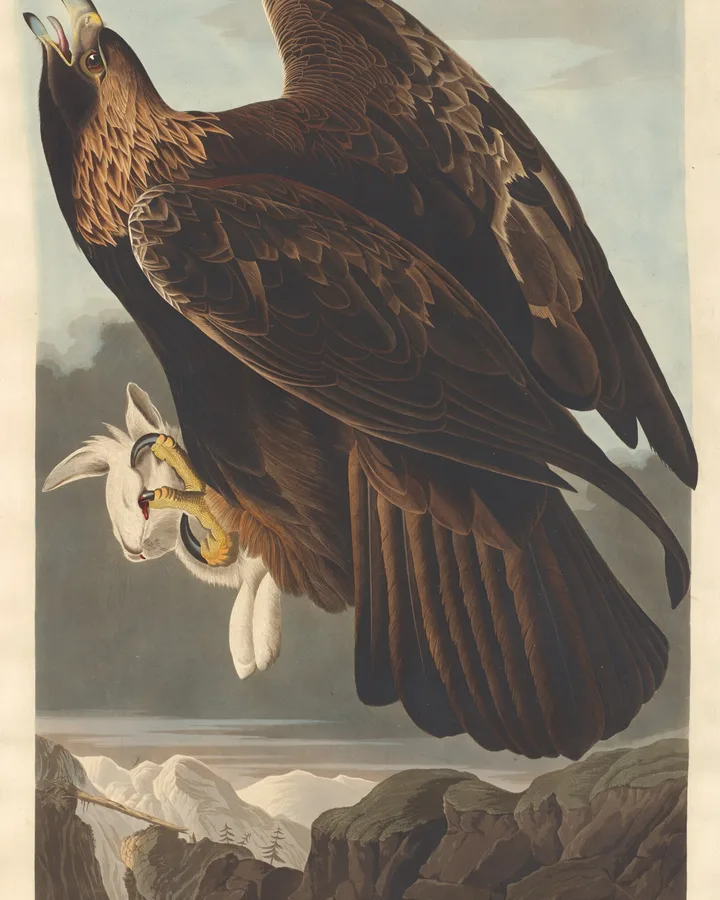
Golden Eagle (Plate 181)
1833
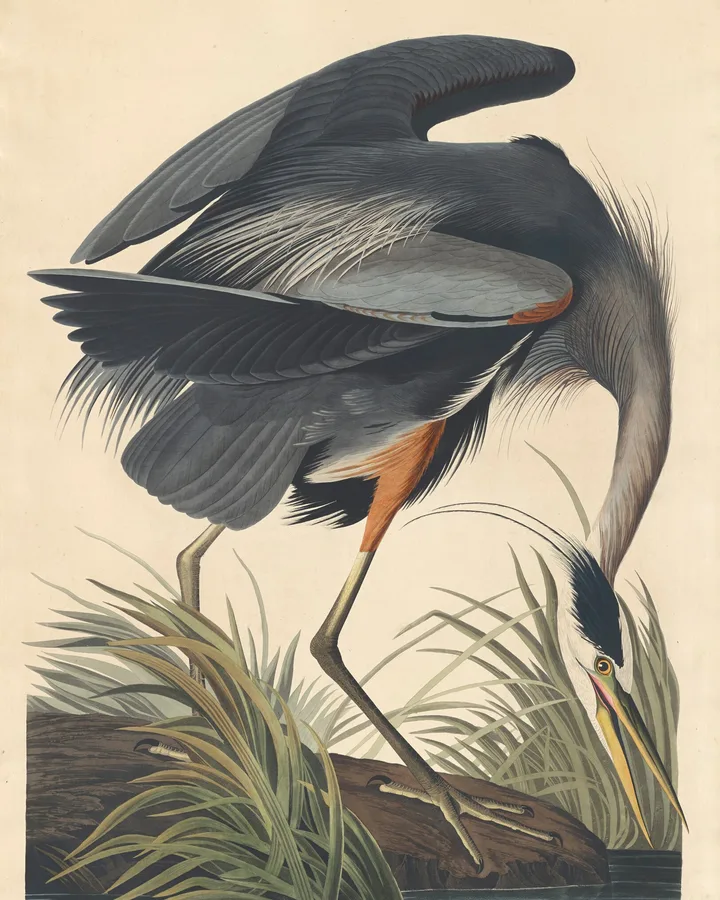
Great Blue Heron (Plate 211)
1834
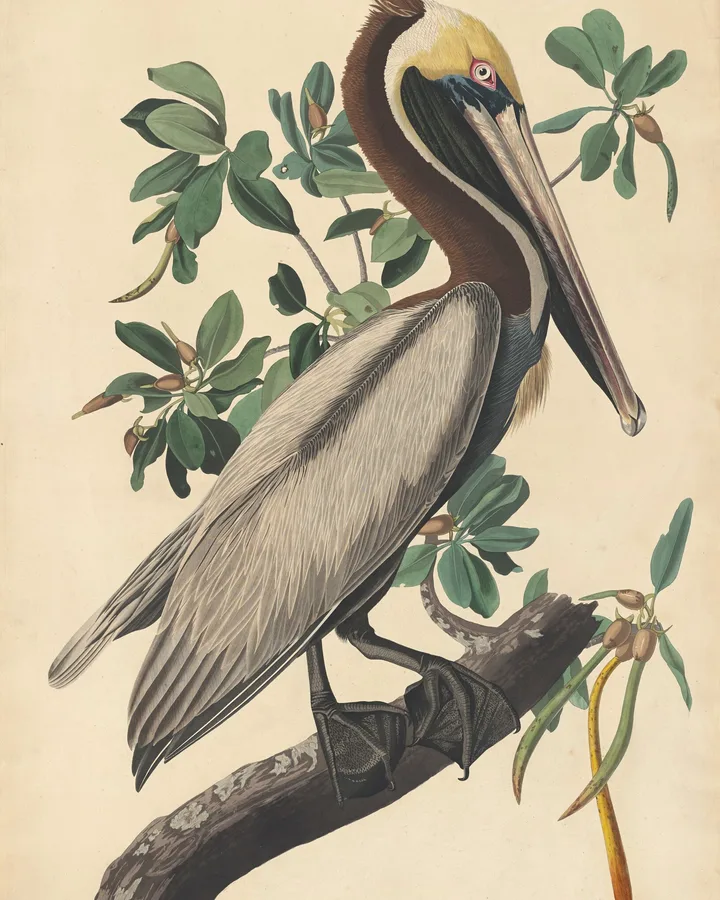
Brown Pelican (Plate 251)
1835
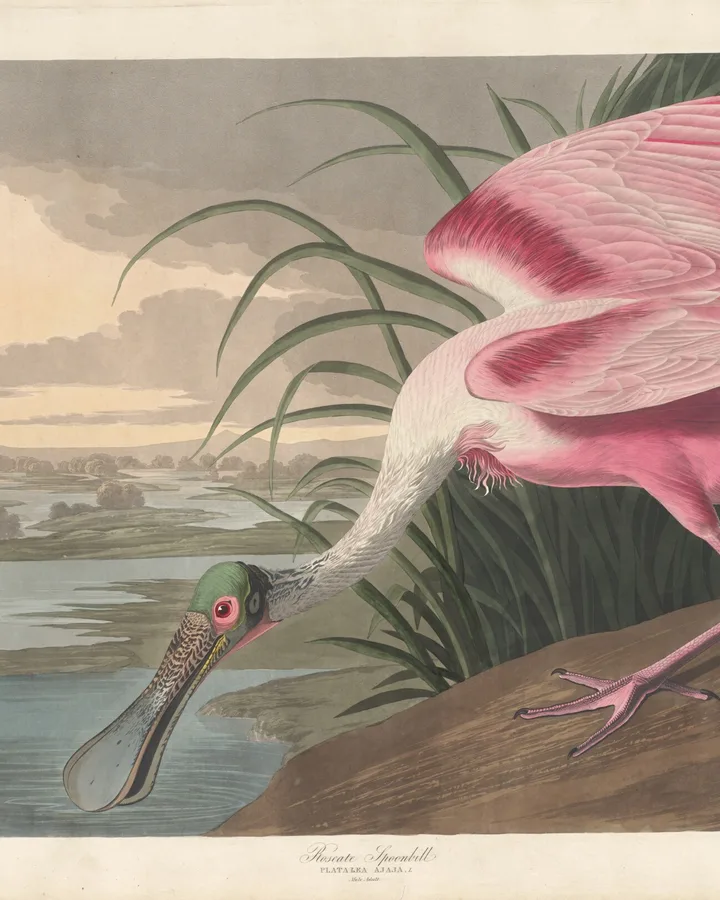
Roseate Spoonbill (Plate 321)
1836
American Flamingo (Plate 431)
1838